



Sowing operation

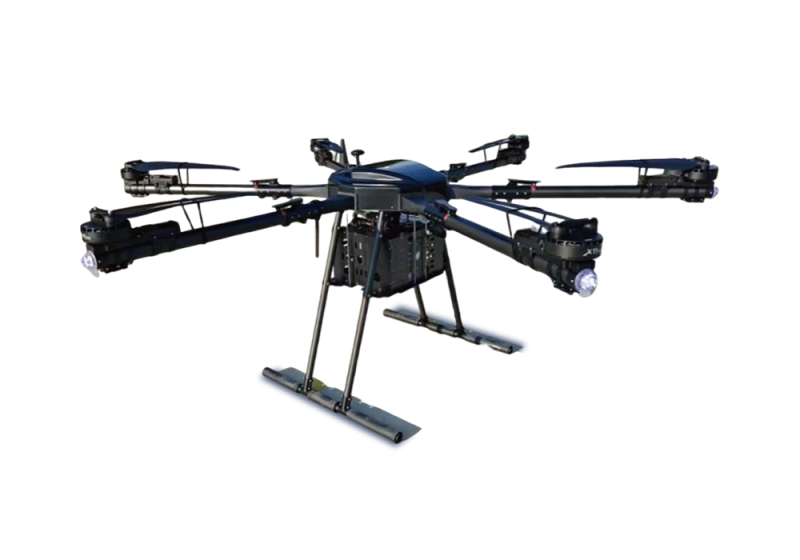
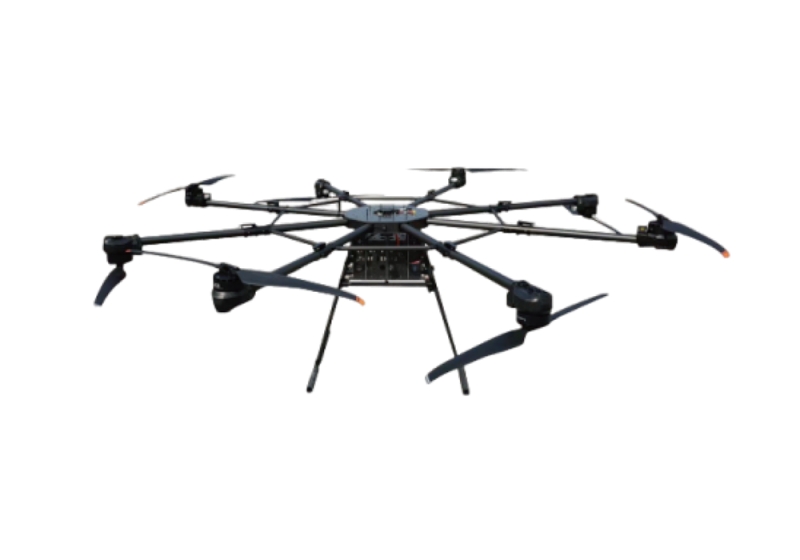
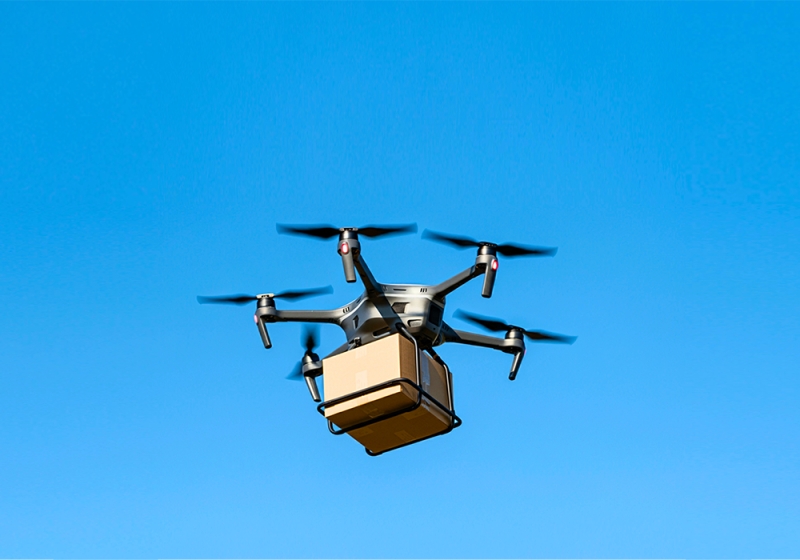
Precision seeding: Drones equipped with seeding equipment can precisely control the soil conditions, crop varieties, and other factors of different plots according to a pre-set seeding plan Sowing quantity and sowing position, achieving precise sowing, improving seed utilization and emergence rate. Especially suitable for broadcasting in small, irregular plots or areas with complex terrain Seed.

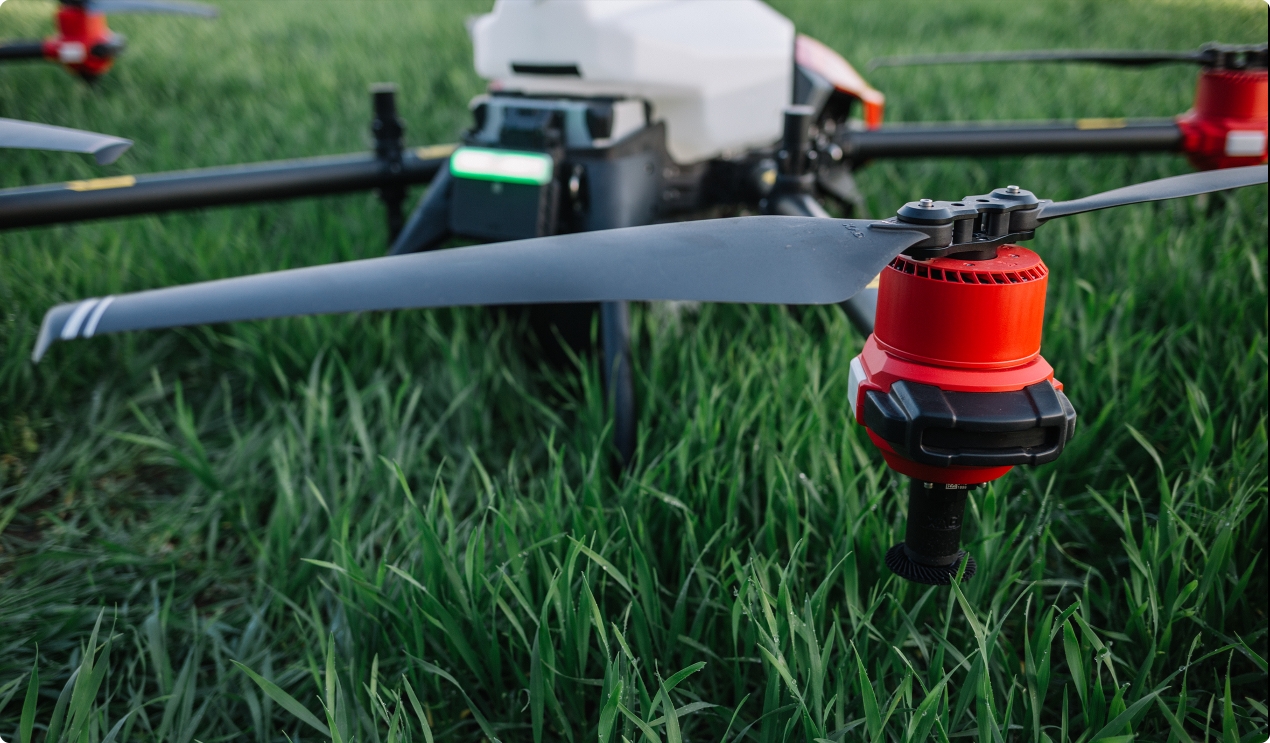
Spray operation

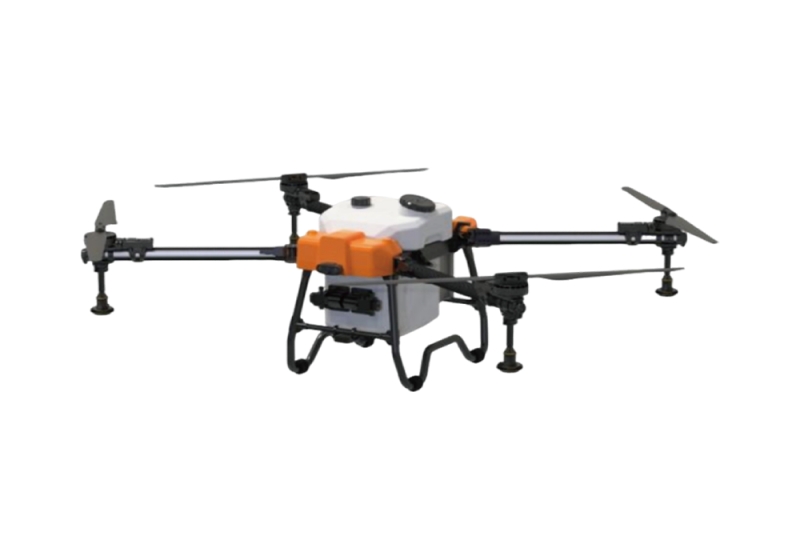
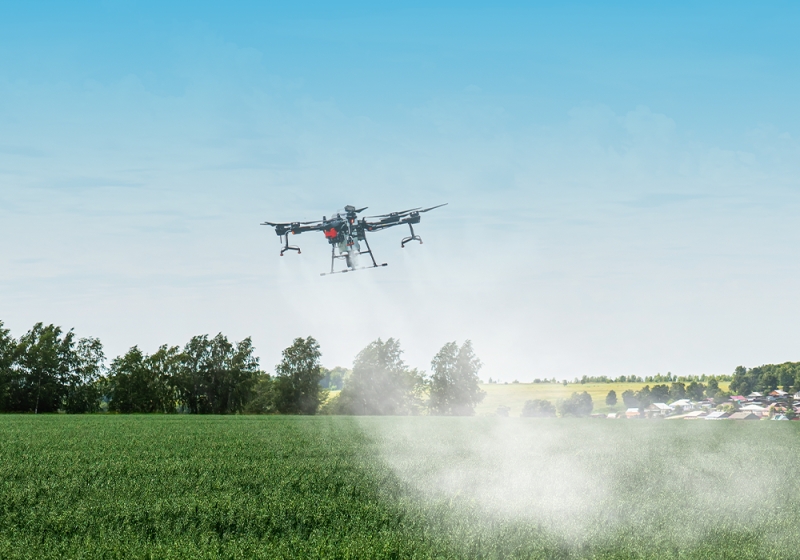
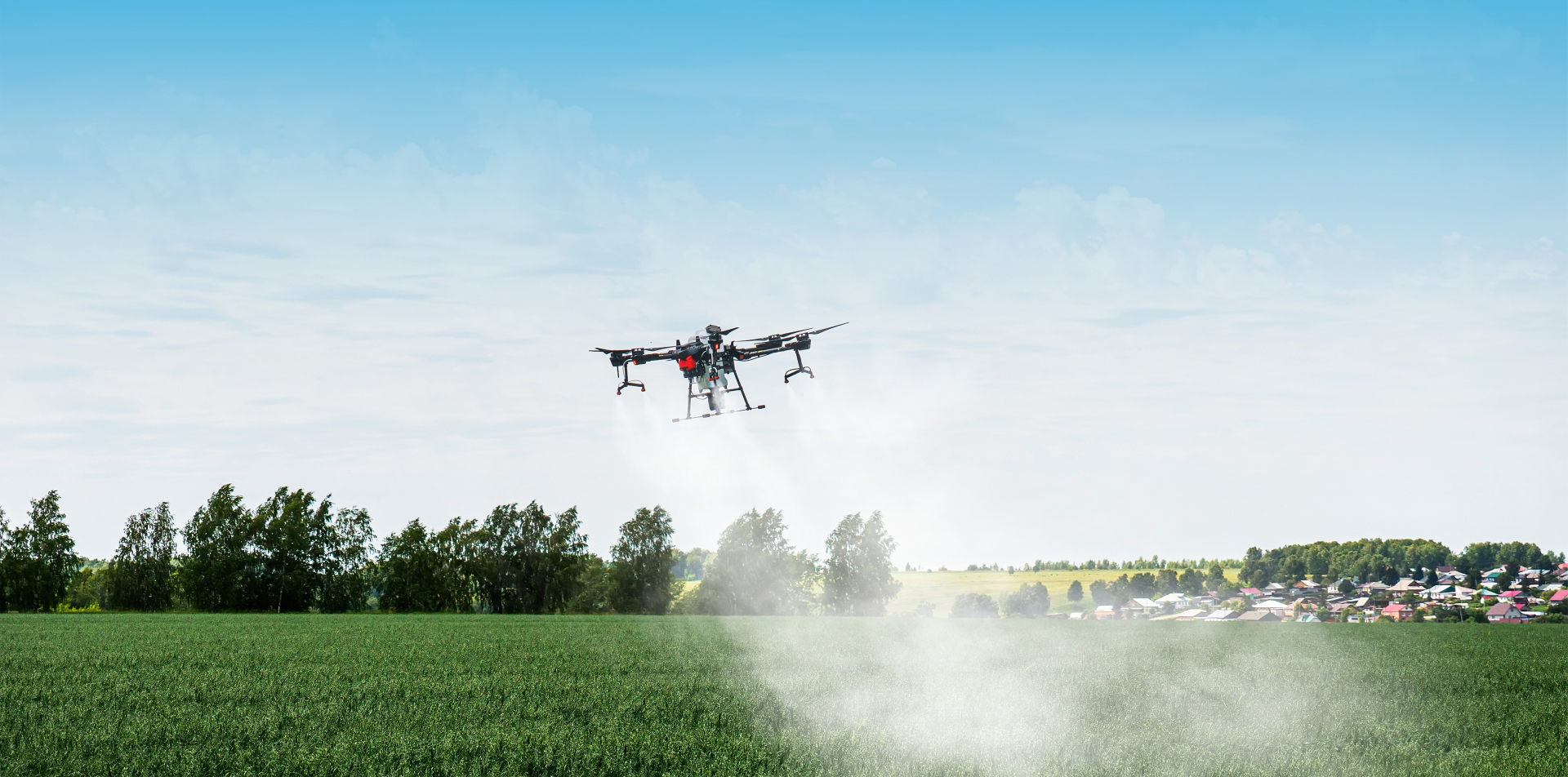
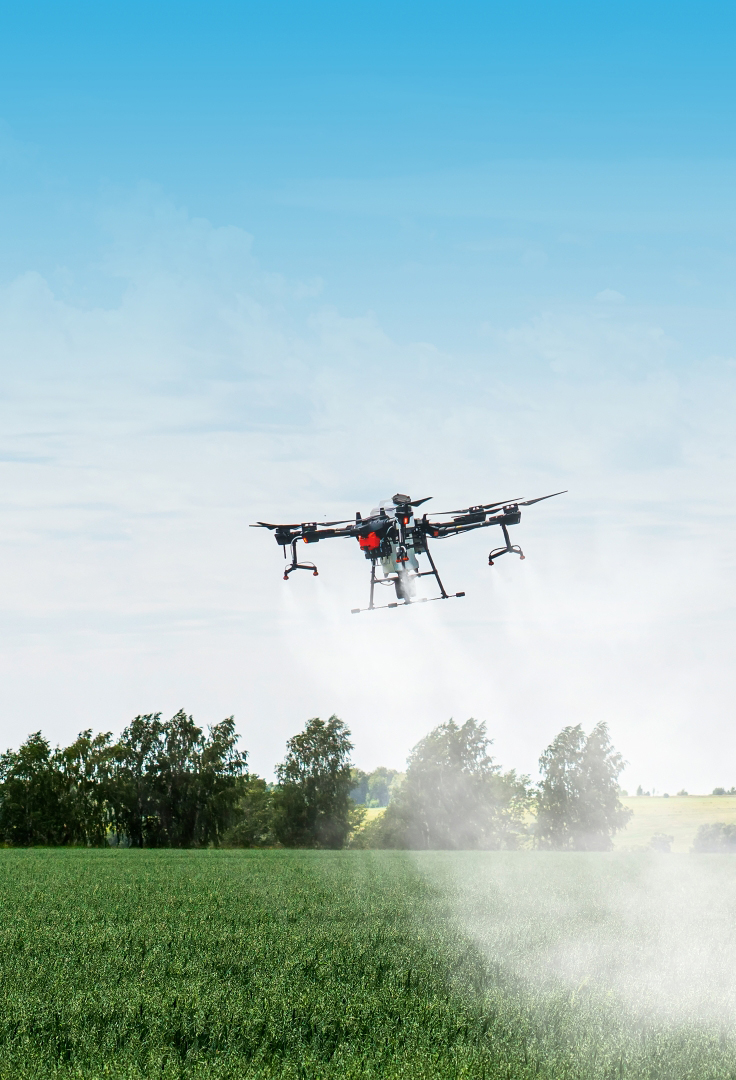
Pest control: UAV is equipped with a spray system, which can quickly spray pesticides on large areas of farmland. By accurately locating the areas where pests and diseases occur, targeted measures can be taken Spray pesticides to improve the effectiveness of prevention and treatment. The low altitude flight and downward airflow generated by the rotor can better adhere pesticides to crop leaves, improving pesticide utilization efficiency, Reduce the impact of pesticide drift on the environment.

Farmland monitoring

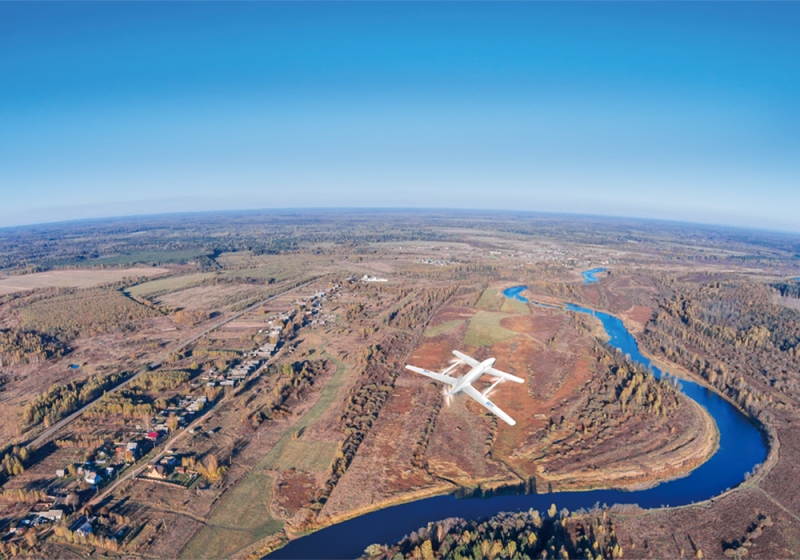
Crop growth monitoring: Using multispectral cameras to obtain reflection information of different bands of crops, analyzing the growth status of crops, such as leaf area index, chlorophyll content, etc., to determine whether crops are deficient in fertilizer, water, or suffering from pests and diseases, in order to take corresponding measures in a timely manner.

Irrigation management

Monitoring irrigation demand: By monitoring the moisture status of crops and soil moisture, drones can determine which areas need irrigation and the amount of irrigation needed, providing precise guidance Irrigation provides data support. Farmers can arrange irrigation time and amount reasonably based on the feedback from drones to avoid wasting water resources.

fertilization operation

Variable Fertilization: By combining soil monitoring data and crop growth conditions, drones can accurately adjust the fertilization amount according to the fertility needs of different regions, achieving variable fertilization Fat. Reduce fertilization in areas with high fertility and increase fertilization in areas with low fertility to improve fertilizer utilization efficiency, reduce production costs, and minimize environmental impact The pollution.

Core Value
Precise Data Acquisition and Improved Operational Efficiency
Equipped with high-resolution cameras, multispectral sensors and other devices, drones can collect precise data on farmland soil conditions, crop growth status, and pest distribution in real-time, providing a powerful basis for scientific decision-making. Compared with traditional manual labor, drones can quickly complete operations such as sowing, fertilizing, and spraying pesticides on large areas of farmland, greatly shortening the operation time, improving agricultural production efficiency, and not being limited by the complexity of the terrain.
Cost Reduction and Promotion of Sustainable Development
Through precise operations, the waste of resources is avoided, the input of human resources is reduced, and the cost of agricultural production is lowered. For example, precise variable fertilization and spraying not only ensure the needs of crops but also reduce the excessive use of fertilizers and pesticides. Precise resource input helps to reduce environmental pollution, protect the ecological environment, and achieve the sustainable development of agriculture. At the same time, pests and diseases are timely detected and treated to ensure the healthy growth of crops and stabilize the yield and quality of agricultural products.

案例服务

地面-空中双螺旋为战略支点车规级无人机智造平台